


Most business owners spend thousands on a website, then wonder why the phone stays quiet. The design looks sharp. The pages load. Everything does what the designer promised. But enquiries trickle in, and competitors who look half as polished sit above you on Google. The problem usually isn’t your design. It’s the small SEO mistakes working quietly in the background, the ones most owners miss. Here are six SEO problems that hurt your rankings, and a practical fix for each one. Keep your own site open as you read.
1. Internal Links That Lead Nowhere
Internal links are the links between your own pages. They guide visitors deeper into your site and show search engines which pages matter most. Pages with no internal links pointing to them, often called orphan pages, can sit invisible for months. Google’s crawlers find new content by following links, so if nothing points to a page, it might as well not exist.
What to do: Run a free crawl using Ahrefs Webmaster Tools or the free version of Screaming Frog to find orphan pages.
2. Images That Slow You Down
Images are often the heaviest files on a page, and most websites upload them straight from a phone or stock library without resizing. Throw in missing alt text on top of that, and search engines (along with screen readers) have no idea what the image shows. These elements reduce load time and cost your business more than slow load times. In fact, research has found that a one-second delay in load time can cause a 7% loss in conversion and 11 percent fewer page views.
What to do: Compress every image before uploading using a free tool like TinyPNG or Squoosh, and save in a modern format like WebP. Write short, descriptive alt text that reflects what’s in the picture, without stuffing keywords.
3. Page Speed and Mobile Basics
Google now indexes the mobile version of your site first. If buttons are too small, text is unreadable, or pages crawl on 4G, you’ll lose rankings and visitors at the same time. Google’s research shows that 53% of mobile users leave a site that takes longer than three seconds to load.
What to do: Run your site through Google’s Mobile-Friendly Test. Fix the issues flagged as high impact first, usually image sizes, unused scripts, and fonts.
4. Content That Misses What People Actually Want
This one is called search intent. It’s the match between what someone types into Google and what your page delivers. A page targeting “best CRM for small business” should compare options, not pitch your own service. Get this wrong and Google ranks competitors above you, no matter how well written your content is.
What to do: Search your target keyword and look at the top five results. Are they guides, comparison lists, product pages, or videos? Match that format. Then add something they don’t have, whether that’s a clearer example, a fresh stat, or a downloadable checklist.
5. Missing Title Tags and Meta Descriptions
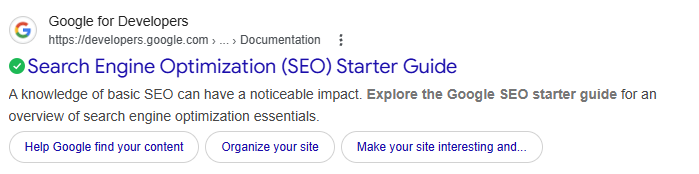
The title tag is the blue clickable headline on a Google search result. The meta description is the grey text underneath. These are your shop windows. A vague or missing one means lower click-through rates, even when you rank well, and fewer clicks means fewer enquiries reaching you.
What to do: Write a unique title tag (under 60 characters) and meta description (under 155 characters) for every page. Lead with the benefit, include your main keyword naturally, and give the reader a reason to click.
6. SEO Doesn’t End at Launch
This is the one most businesses get wrong. They treat SEO like a tick-box exercise during the build, then leave it untouched for a year. Meanwhile, search algorithms shift, competitors publish fresh content, and your old pages quietly lose relevance.
Many SEO specialists stress that small, consistent improvements often deliver better long-term results than one-off changes. Experts at Kaizen SEO highlight that refining technical elements, content, and internal linking over time is what drives steady ranking growth.
What to do: Schedule a quarterly review. Check for broken links, refresh outdated stats, update metadata, and add internal links from new posts to older ones.
Final Thoughts
None of these fixes need a redesign or a big budget. They just need attention. Pick the weakest area on your site and fix it this week, then move to the next. Better rankings bring better traffic, and better traffic is what fills your inbox with enquiries. SEO rewards consistency, not perfection. Ready to take the next step? Review your site against these six points, then get in touch with our team to discuss your web design. We’ll show you exactly how a well-designed and optimised site can close these gaps and drive enquiries.